Bone Grafting in Springfield, OH
Bone Grafting in Springfield, OH
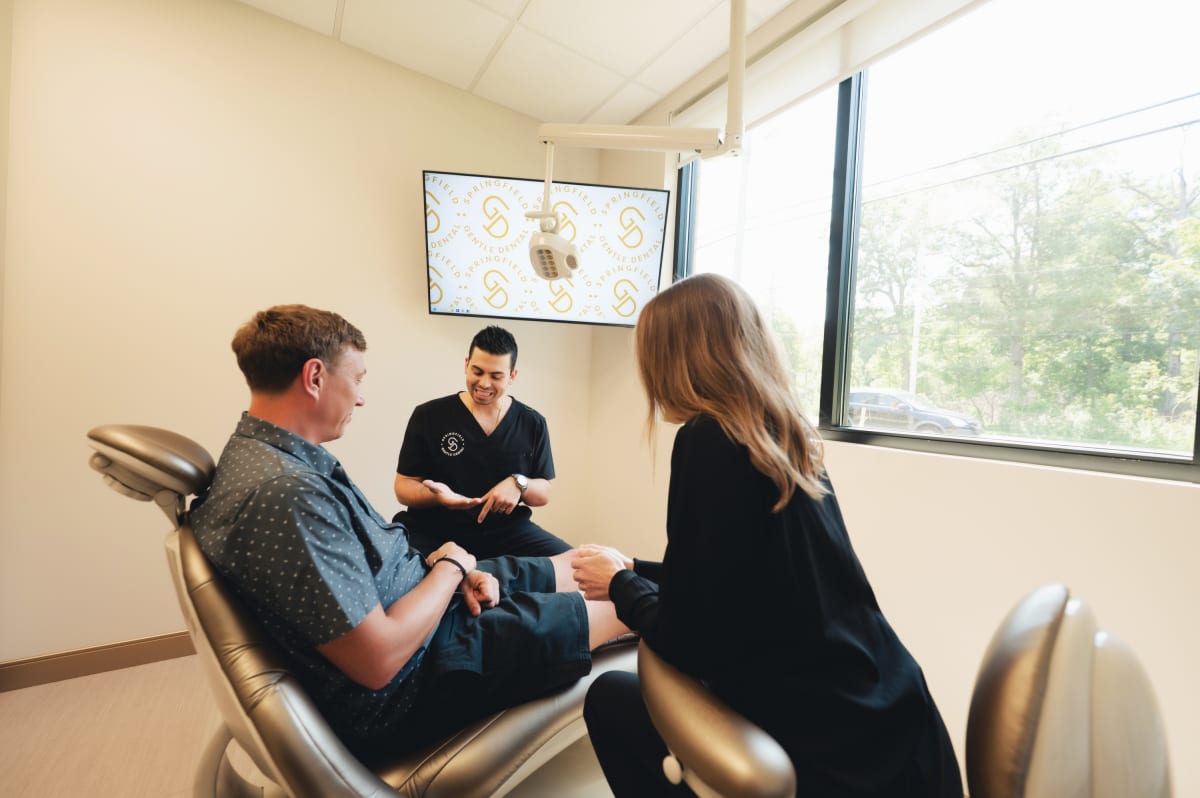
Being told you don't have enough bone for implants can feel like the door just closed. It hasn't. Bone grafting rebuilds the part of your jaw that's thinned out over the years so it's ready to hold an implant securely. For many people, it's simply the first step toward a stable implant, not a reason to give up.
Dr. Nezhad, Dr. Tab, Dr. K., and the team at Springfield Gentle Dental handle bone and sinus grafting right here in our Springfield office, built directly into how we plan implants. We start with CBCT imaging so the plan reflects your actual anatomy, and your care stays with the same coordinated team from the first scan to the final crown. Bone grafting often works hand in hand with our dental implants and full mouth reconstruction services, and it's a common step before oral surgery procedures.
Curious where you stand? Call us at (937) 399-6177 to set up a consultation.
Quick Takeaways
- Needing a bone graft doesn't disqualify you from implants. For many patients it's a normal part of preparing the site.
- We handle bone and sinus grafting in-office as part of the same implant workflow.
- Everything starts with a CBCT scan, a precise three-dimensional look at your bone.
- Ask us whether grafting and implant placement can happen in one appointment for your case, or whether they'll need to be staged.
- Cost depends on your case and coverage. We walk through the full financial picture before treatment begins.
Signs You May Need a Bone Graft Before Implants
Not every implant case calls for a graft. A few common situations can leave the jaw too thin or soft to hold an implant securely:
- A tooth was lost and never replaced, allowing the surrounding bone to shrink over time
- Gum disease gradually wore away bone around one or more teeth
- A tooth was pulled years ago and the space was left unrestored
- The gap is in the upper back of the mouth, where the sinus cavity sits close to the jaw and a sinus lift may be needed to create enough height
- Bone was lost following trauma, infection, or an abscess
None of these situations rules you out for implants. They simply mean the site needs a little preparation first. Once it is ready, we move ahead with your dental implants, and for patients missing most or all of their teeth, options like All-On-Four are worth exploring.
How the Grafting Process Works
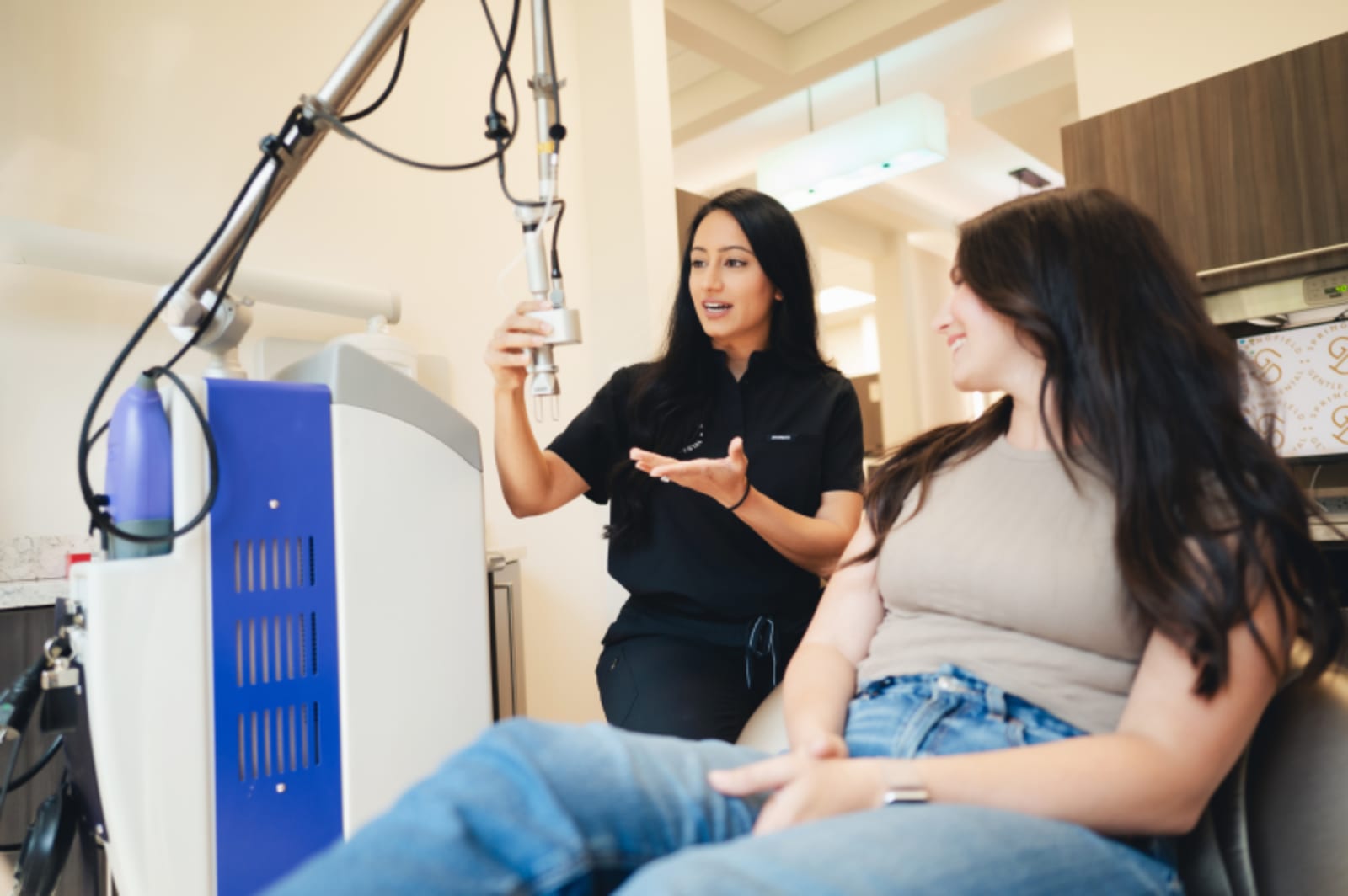
Every graft starts with a CBCT scan so we can see exactly how much bone you have and where it needs support. That imaging shapes the whole plan, from the procedure itself to where your smile is headed.
Dr. Nezhad, a graduate of the Midwest Implant Institute externship, leads our implant-related procedures. You can learn more about him on our Meet the Team page. For many patients, grafting is the first step toward a full implant or a broader full mouth reconstruction plan.
What about sinus grafting?
In the upper jaw, the sinus cavity can sit right where an implant needs to go. When that's the case, a sinus lift builds up the bone height in that area so the implant has a solid foundation. We take care of this in-office as part of your overall treatment plan.
What the Procedure and Recovery Feel Like
We walk you through every step before we begin, so nothing catches you off guard. During the appointment, we numb the area thoroughly, and most people are genuinely surprised by how little they feel. Once you're comfortable, we place the graft material where bone has been lost and carefully close the site. The visit is usually quicker than people expect.
The first few days may bring some swelling and mild soreness, but it stays manageable for most patients. Many are comfortable on regular ibuprofen and acetaminophen within the first day. You'll leave with written aftercare instructions, and we're always a phone call away if something comes up while you heal.
From there, the timeline depends on the size and location of the graft. Healing before implant placement typically runs from several weeks to a few months:
- Initial healing of the graft site over the first several weeks
- A check-in or two to confirm the bone is integrating well
- Clearance for implant placement once the site has fully matured
When the site is ready, you'll be set up for the next stage. Explore our dental implants, full mouth reconstruction, and oral surgery services to see where grafting can take you.
Benefits of Grafting Before Your Implant
Getting the site ready before placement is what gives an implant its best shot at lasting. Here's what grafting makes possible:
- A stable foundation. Solid bone gives the implant something firm to fuse with and hold onto for the long run.
- Results that hold up over time. An implant placed into healthy bone can last a lifetime with good care.
- Preserved facial structure. Bone loss in the jaw gradually changes the shape of the lower face. Grafting helps maintain that structure before it shifts.
- Fewer surprises during healing. Planning around real CBCT imaging means we understand exactly what the site needs before we ever begin.
- A path forward when you thought there wasn't one. Rebuilding bone opens the door to implants for patients who've been told elsewhere that it wasn't possible, including those exploring full mouth reconstruction.
Preparing for Your Graft and Caring for the Site After
Preparation is simple. Before your appointment, we'll review your health history and any medications during your CBCT scan and consultation, and give you any specific instructions you need ahead of time. This grafting work often sets the stage for dental implants, so getting the foundation right matters.
Aftercare is where a little attention really pays off. In the first few days, that generally looks like:
- Eating softer foods and chewing away from the graft site
- Taking recommended pain relievers on schedule rather than waiting for discomfort to build
- Brushing gently near the area and following our rinsing guidance
- Giving the site time to settle before putting pressure on it
We send you home with written instructions, and we genuinely mean it when we say to call us with questions. No question is too small when you're healing.
Cost, Insurance, and Financing For Bone Grafting

What you'll pay depends on how much grafting is needed, whether a sinus lift is part of the plan, and what your insurance covers. There's no single number that fits everyone, which is why we start with a consultation and CBCT scan to give you a real treatment plan and cost breakdown before anything begins.
A few things worth knowing:
- We accept most PPO plans. If we ever plan to move out of network with a specific plan, we give patients six to eight months' notice.
- We have an in-house smile plan for patients without traditional insurance.
- Financing is available to spread the cost over time.
Ready to see what fits your situation? Visit our patient center page to learn more about pricing and insurance at Springfield Gentle Dental.
Why Springfield Trusts Us With Bone Grafting & Implant Surgery
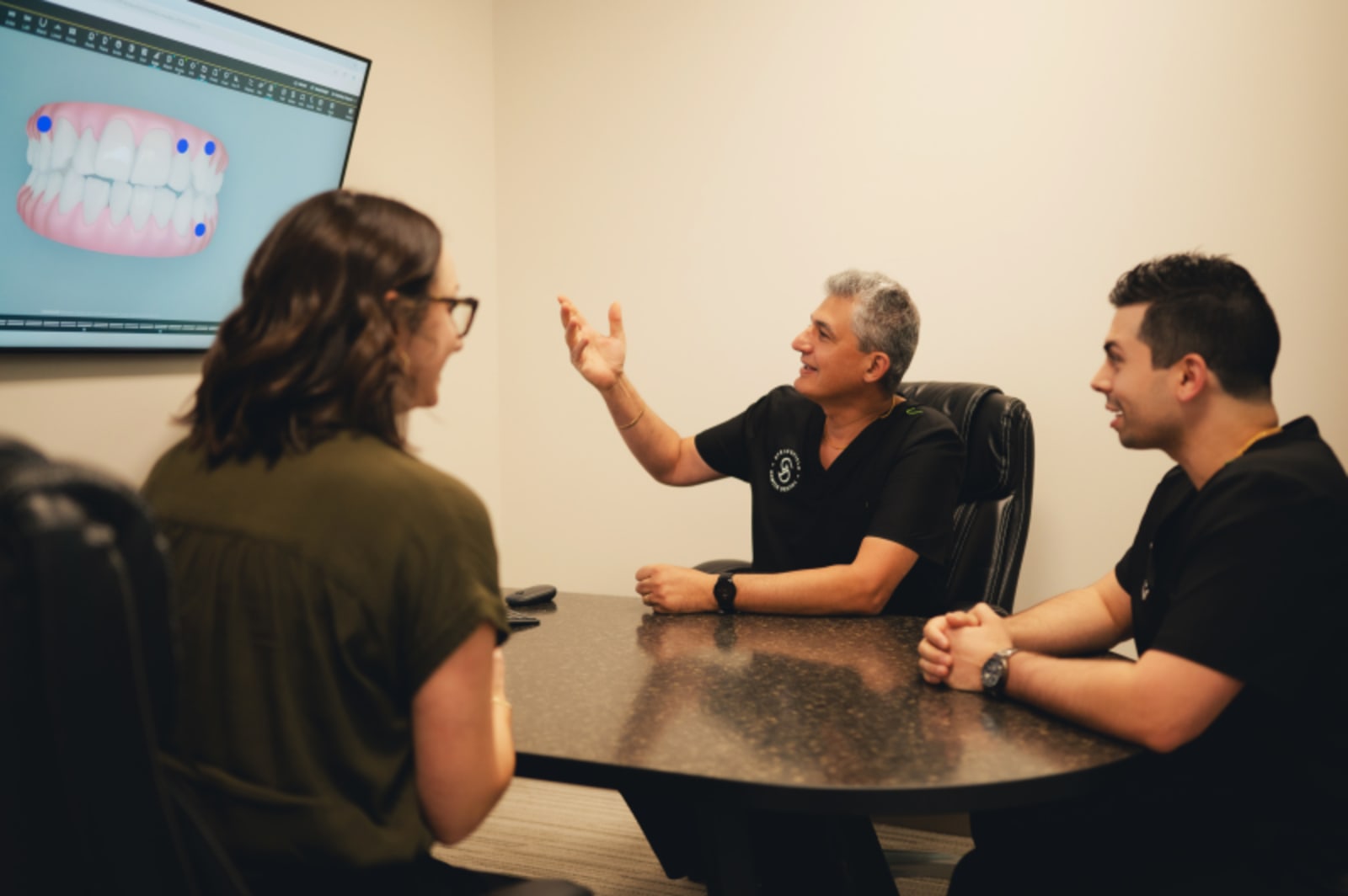
When you need grafting before implants, the last thing you want is to be sent somewhere else to figure it out. We handle the whole process right here, with one coordinated team who knows your case from the first scan to the final placement.
Here is what that looks like in practice:
- Three-dimensional planning from the start. Our cone beam CT scanner gives us a precise look at your bone before we recommend anything, so your plan is built on real information.
- Grafting done in-office. No referrals, no separate surgical center. We take care of bone and sinus grafting here as part of your overall implant plan.
- Familiar faces throughout. The same team manages your grafting and your implant placement. You will not have to re-explain your situation to someone new at every step.
- Serious training behind the care. Dr. Nezhad completed the Midwest Implant Institute externship and is actively pursuing the Kois Center curriculum, one of the most rigorous advanced education programs in dentistry.
We have been part of Springfield since 1993, growing from a two-chair practice into the state-of-the-art facility we opened in 2024. Our doctors and staff are local, and you will find us showing up at community events like Give Kids a Smile every year because this community is home to us too.
Frequently Asked Questions About Bone Grafting
Do I definitely need a bone graft before getting implants?
Not always. It depends on how much healthy bone remains at the implant site. We check this with CBCT imaging at your first scan as part of our dental implant planning process.
What is a sinus graft and when is it needed?
A sinus lift adds bone to the upper jaw near the back teeth, where the sinus cavity sits close to the jaw. It comes into play when there isn't enough vertical bone height to anchor an implant safely.
How long do I wait after a graft before getting my implant?
From start to final crown, the minimum timeline for an implant is around four months. Grafting can add time depending on how much healing your site needs, and we'll map out your specific schedule before anything begins.
Is bone grafting painful?
Most patients are genuinely surprised by how manageable it is. The majority are comfortable on regular ibuprofen and acetaminophen within a day of surgery. And if something feels off while you're healing, just give us a call at (937) 399-6177.
Can grafting and implant placement happen at the same time?
Sometimes. When bone loss is minor, we can place the graft material at the same appointment as the implant. More significant grafting usually needs its own healing phase first. Your imaging tells us which approach makes sense for your case.
Where does the graft material come from?
There are a few options, and we'll walk you through which one fits your situation during your consultation. Whatever we use is chosen to give the site the best foundation for solid, healthy bone growth.
Bone Grafting Questions We Hear Often
Do I definitely need a bone graft before getting implants?
Not always. How much healthy bone remains at the implant site is what determines whether grafting is needed. We get a precise look with CBCT imaging during your first scan as part of our dental implant planning process.
What is a sinus graft and when is it needed?
A sinus lift adds bone to the upper jaw near the back teeth, where the sinus cavity sits close to the surface. When there isn't enough vertical bone height to anchor an implant safely, this step creates the foundation needed to move forward.
How long do I wait after a graft before getting my implant?
From the very first appointment to final crown delivery, the minimum is around four months. Grafting can extend that depending on how much healing the site needs. We'll lay out your specific timeline before anything begins so there are no surprises.
Is bone grafting painful?
Most patients are genuinely surprised by how smooth recovery feels. The majority are comfortable on regular ibuprofen and acetaminophen within the first day. And if something feels off while you're healing, just give us a call at (937) 399-6177. We're happy to help.
Can grafting and implant placement happen at the same time?
In some cases, yes. When bone loss is minor, we can place the graft material and the implant in the same appointment. More involved grafting typically needs its own healing window first. Your imaging tells us which approach makes sense for you.
Where does the graft material come from?
There are several options, and the right one depends on your specific situation. We'll walk you through what we recommend and why during your consultation. Whatever source we use, the goal is the same: giving your jaw the best possible foundation for a lasting implant.
Ready to Find Out If You're a Candidate?

If you're weighing implants and wondering whether bone grafting is part of your path, we're happy to help you figure that out. Our team will take a close look at your situation and walk you through exactly what makes sense for you.
Give us a call at (937) 399-6177 whenever you're ready. We're here Monday through Thursday from 8:00 to 5:00 and Friday mornings until noon, at 2540 North Limestone Street in Springfield.
we're ready to serve you
Step into your ideal dental experience and call (937) 399-6177 or request an appointment online to set up your first visit. We’ll be in touch soon.